EconRules
Learn it.Apply it.Master it.
Making the dismal science a lot more engaging.
- Games
- 6
- Units
- 4
- Resources
- 0
- Games played
- –
Games
Scroll through them. Each one puts you in charge of real economic decisions.
Econ Starter Kit
Six steps for your first weeks. See the full kit →
Econ Resources
Practise for every paper and unit. Search all →
Free riders welcome
EconRules is a public good. You using it doesn't leave less for anyone else, and nobody gets shut out: no sign-up, no fees, nothing to buy. (Strictly, a website could charge, so examiners would call it a quasi-public good. I've just chosen not to exclude anyone.)
- For teachers: want to use these games with your class? Get in touch.
- Students at other schools: you're welcome here too. Questions, ideas, spotted a mistake, or looking for 1-on-1 support? Get in touch.
Place your demand → [email protected]Played a game? Tell me what you think →
Econ Starter Kit
Work through these in order during your first few weeks. By the end you'll know how the course is assessed, how to think like an economist and how to draw the diagrams.
Games
Simulations built for IB Economics. You make the decisions, the economy responds, and you explain what happened using the theory.
Everything to practise with
Search or filter by unit. Green tags open for anyone. Amber tags open in Google Drive for students in my classes.
Practice Papers
Exam-style questions with markschemes. Paper 3 is HL only.
The Commentary Lab: IA Support
Everything for the three commentaries.
Current Events
Stories I flip most mornings, each tagged with the unit and key concept it connects to. Use them for real-world examples in your essays and IA.
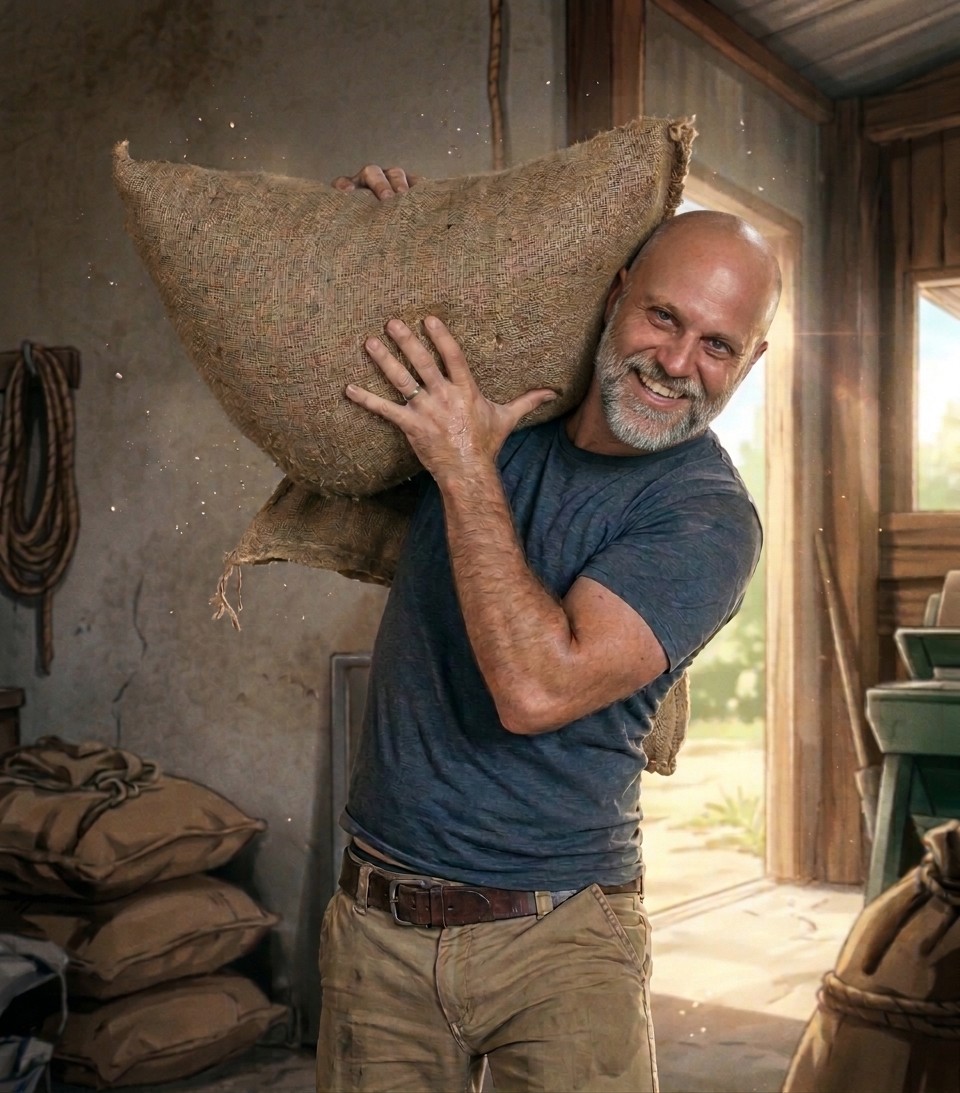
I'm John Gangi. I teach economics.
Don't just learn economics. Run it.
The best way to understand an economy is to be in charge of one. That’s why EconRules exists. Instead of passively memorizing textbook models, you’re here to play the games, run the simulations, make the tough calls, and live with the consequences—then use the theory to explain why it all went right (or completely off the rails).
This site is home to everything I create for my students, from first-week starter kits to the practice papers you’ll grind through before exams. While my resources are built primarily for the IB Economics syllabus, I’ve taught AP and IGCSE as well—so whatever curriculum you’re tackling, there’s plenty of crossover here to help you master it.
Why Economics?
Because it’s everywhere. The systems we’ve built shape almost every corner of daily life and every headline in the news:
- Why your sneakers cost what they do—and how a single new tariff can hike the price overnight
- Why air pollution stays stubbornly high when everyone agrees we should fix it
- Whether a coffee harvest can support a village, or how rapid advances in AI are reshaping jobs and entire industries
- What one central bank interest rate decision does to a whole country
In my classroom, economics isn’t a spectator sport. You don’t get to just sit in the stands and watch the graphs move—you have to step onto the field, take a stand on real-world policy, and defend your position. Disagree with me all you want. Just bring the evidence to back it up.
The Backstory
Born and raised on Long Island, New York, I’ve spent more than twenty years teaching economics at international schools in Bangkok, Hong Kong, Dar es Salaam, and Hanoi.
Before stepping into the classroom, I took a winding route around the globe—working for the Justice Department’s Office of International Affairs and the Department of Commerce at the U.S. Embassy in Rome, at EMI Music in New York, and as a Peace Corps volunteer in Kyrgyzstan. Those countless adventures around the world give me a deep well of real-life stories to bring the course to life, connecting abstract diagrams to the actual people, deals, and markets behind them.
Outside of class, I’m a die-hard sports fan—which mostly means riding the emotional rollercoaster of rooting for my New York Mets.
Knicks in 5!
What I make
FairNIST Coffee
FairNIST Coffee is our high school social enterprise at NIST International School. We buy coffee grown by a small Akha hill tribe community outside Chiang Rai, and the proceeds go back into projects the village chooses: scholarships, drainage, roads, a seed bank, training and equipment for farmers. It's economics you can taste, and it inspired the FairNist game.
20+ years, one subject, many countries
Follow the plane: four continents, five international schools, and a few detours along the way.
Where it startedTeachingBefore teaching